Creating Harmony: Blending Hardscaping and Landscaping for a Cohesive Outdoor Look Apr 22, 2026
When embarking on an outdoor project, the first step is understanding the roles of hardscaping and landscaping. Hardscaping refers to the non-living elements of your outdoor space. This includes patios, walkways, water features, decks, and retaining walls. These structures provide the framework of your yard, creating pathways and defined spaces that add structure and flow. On the other hand, landscaping involves the living components, such as trees, shrubs, flowers, and lawns. These elements add color, texture, and natural beauty, softening the appearance of hard structures and creating a welcoming environment.
The key to blending hardscaping and landscaping is planning and design. Start by envisioning the purpose of your outdoor area. Are you looking to create a serene garden retreat, a functional family space, or a vibrant entertaining area? Understanding your goals will guide the design process, ensuring that both hardscaping and landscaping work together to meet your needs.
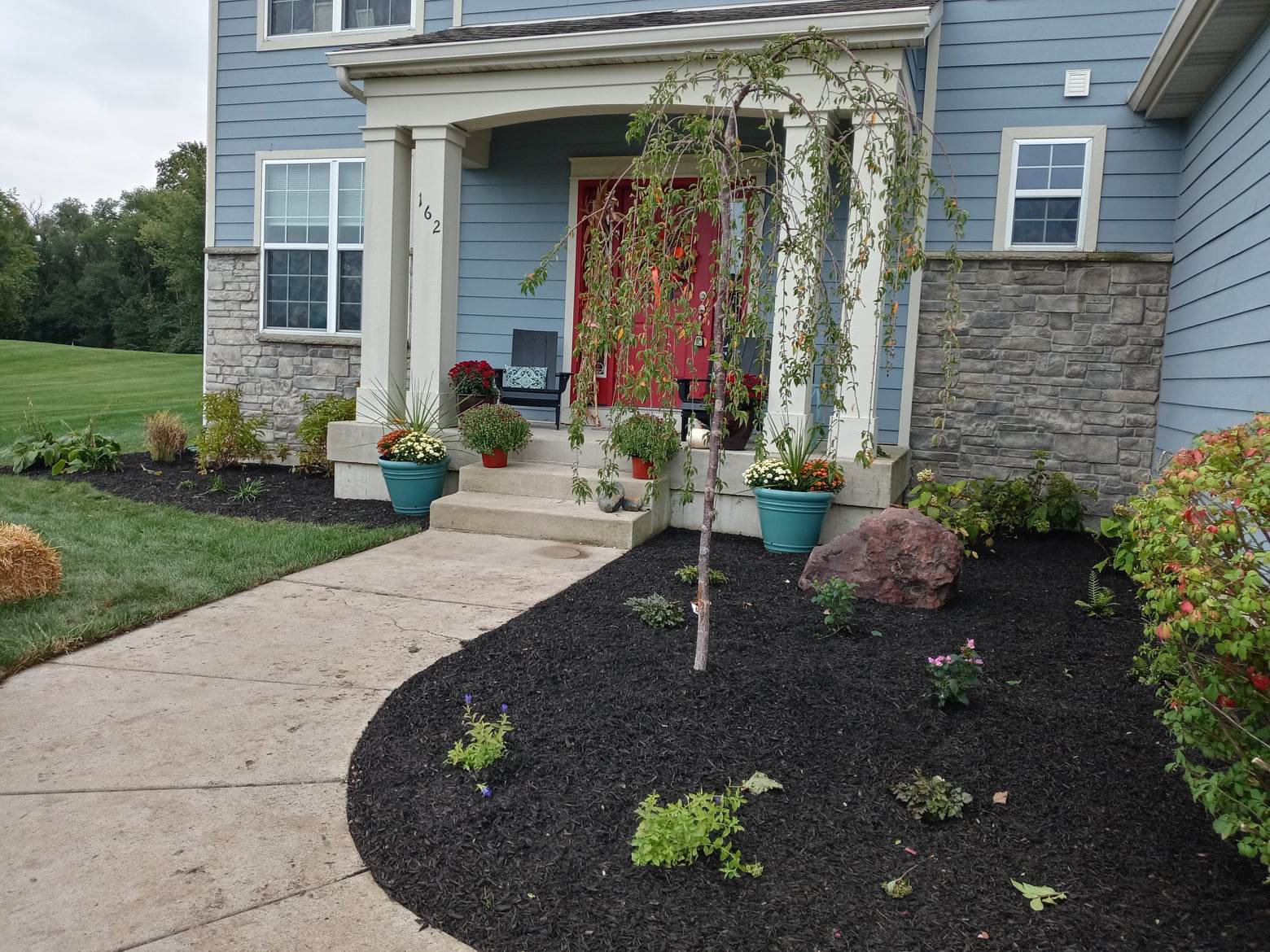
Consider the layout and materials carefully. Select hardscaping materials that complement the colors and textures of your plants. For example, a stone patio can be beautifully contrasted with lush greenery and colorful flowers. Incorporate natural materials that blend with the landscape, creating a seamless transition between structures and vegetation.
Another crucial aspect is the scale and proportion of your designs. Ensure that hardscaping elements do not overpower the landscaping. Instead, they should act as a backdrop, highlighting the natural beauty of your plants. Using curved lines and organic shapes for pathways and patios can create a more natural flow that mirrors the irregular shapes found in nature.
Functionality is just as important as aesthetics. Paths should lead guests naturally through your garden, while retaining walls not only add interest but also manage slopes and prevent erosion. Consider the practical needs of your space, such as drainage and maintenance, ensuring that your design choices support long-term usability.
Incorporating variety through layering can also enhance harmony. Use a range of plant heights and textures to create depth and visual interest. Mix evergreen and deciduous plants for year-round appeal, and consider the seasonal changes that will affect your garden’s appearance.
Finally, ongoing care and maintenance are essential to sustaining the harmony between hardscaping and landscaping. Regular pruning, cleaning, and inspection of both plantings and structures will keep your outdoor space looking its best.
Creating a cohesive outdoor look that blends hardscaping and landscaping requires thoughtful consideration and expert execution. With Prime Landscaping 219’s expertise, homeowners can achieve the dream of a perfectly balanced outdoor oasis. Whether you are starting from scratch or looking to enhance an existing space, understanding the synergy between these elements is the first step toward a more beautiful and functional yard.
In conclusion, a cohesive outdoor space is achievable with the right blend of hardscaping and landscaping. By choosing the right materials, focusing on functionality, and planning for ongoing maintenance, you can create an outdoor space that not only enhances your home’s beauty but also offers a place for enjoyment and relaxation. Trust Prime Landscaping 219 to guide you through this journey, ensuring your yard is both harmonious and captivating.
/filters:no_upscale()/filters:format(webp)/media/ec17ef02-cf09-4fe5-bd13-c0df3869b23a.jpeg)