The Ultimate Guide to Sustainable Landscaping Practices Feb 02, 2026
Sustainable landscaping starts with a solid plan. Assess your site to understand its microclimates, soil types, existing vegetation, and resources like sunlight and water availability. Using native plants suitable for these conditions can significantly reduce the need for artificial fertilizers and irrigation, thus conserving water and promoting biodiversity. Native plants have adapted to the local climate and soil conditions, making them resistant to pests and reducing maintenance requirements.
Water conservation is a critical component of sustainable landscaping. Incorporating rainwater harvesting systems and drip irrigation into your design are efficient ways to manage water use. Drip irrigation, for example, directs water precisely to the plant’s roots, minimizing waste. Additionally, consider installing a rain garden, which captures runoff and slowly releases it into the ground, supporting groundwater recharge and reducing surface water pollution.
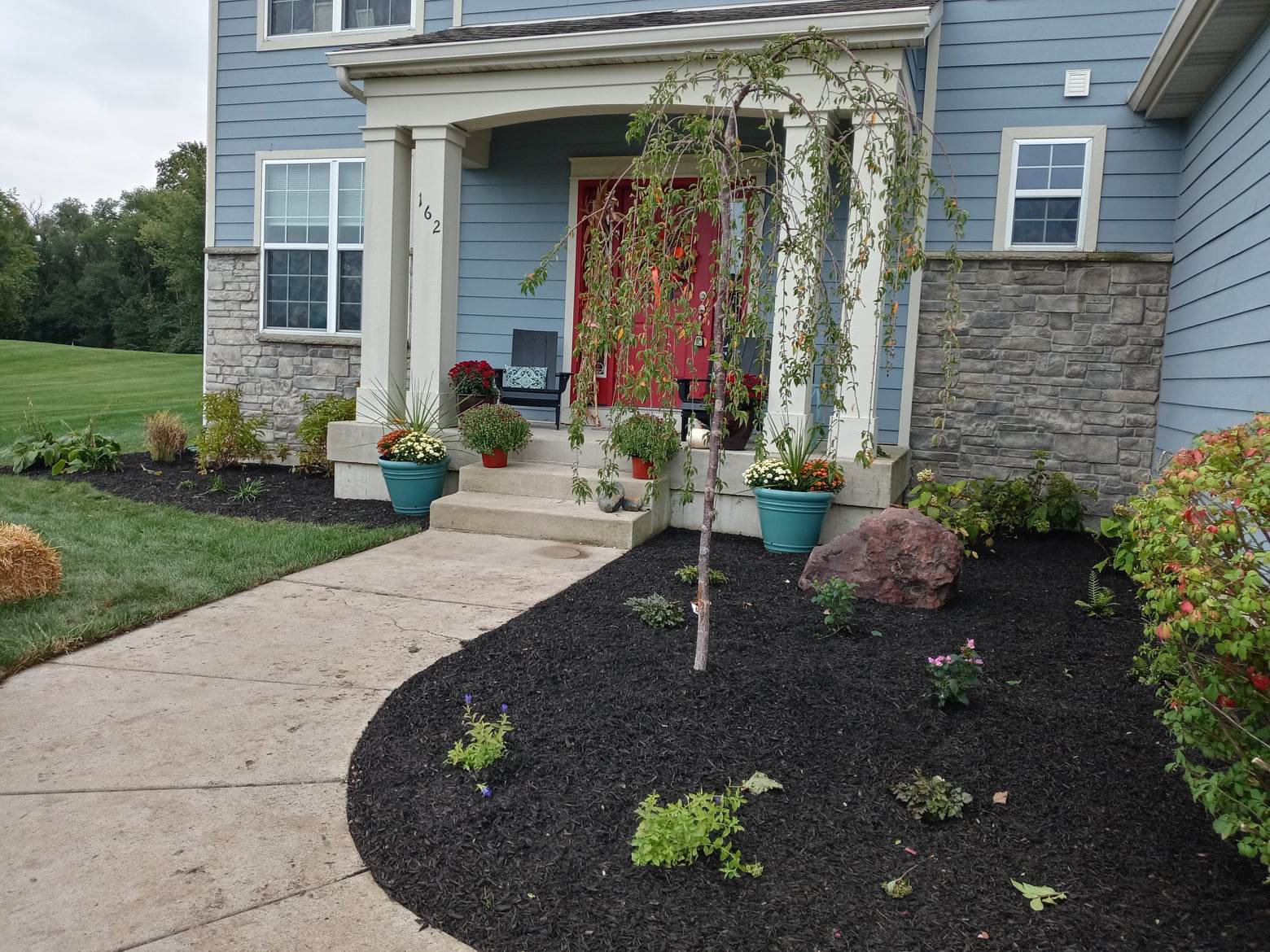
Organic mulching is another practice that promotes sustainability by improving soil health and reducing water evaporation. A layer of organic mulch, such as shredded bark or compost, retains soil moisture, regulates temperature, and suppresses weed growth. This not only reduces the dependency on chemical weed control but also enriches the soil as it decomposes, creating a more fertile environment for plants.
When enhancing your space with hardscapes, choose materials that are locally sourced and sustainably produced. Options such as reclaimed wood, recycled plastic, or permeable paving stones are excellent for reducing environmental impact. Permeable surfaces allow rainwater to infiltrate the ground, which lessens runoff and helps in managing stormwater effectively.
Sustainable landscaping practices are not only about selecting the right plants and materials but also about adopting maintenance habits that protect the environment. Avoid chemical fertilizers and pesticides; instead, opt for organic alternatives. Regularly prune plants to maintain their health, and compost yard waste to create nutrient-rich soil. This closed-loop cycle minimizes waste and enhances the overall health of your garden.
Furthermore, integrating wildlife habitats into your landscape design encourages a balanced ecosystem. Installing birdhouses, butterfly gardens, or even small ponds can attract beneficial wildlife to your yard. These natural pest controllers help maintain the ecosystem and enhance biodiversity, leading to a more resilient and self-sustaining garden.
For important seasonal transitions, adjust your landscaping practices to align with sustainable goals. These might include planting cover crops in winter to prevent soil erosion, or rotating annuals to improve soil fertility naturally. Such strategies ensure year-round sustainability and keep your landscape functioning optimally.
By adopting these sustainable landscaping practices, you not only contribute to a healthier planet but also reap the benefits of reduced maintenance, lower costs, and increased outdoor enjoyment. Prime Landscaping 219 is committed to helping you realize your vision of an eco-friendly and stunning landscape. Ready to transform your space into a sustainable paradise? Contact us today to schedule a consultation and take the first step toward a greener future.
/filters:no_upscale()/filters:format(webp)/media/ec17ef02-cf09-4fe5-bd13-c0df3869b23a.jpeg)