Transform Your Outdoor Space: Tips for Designing a Dream Garden Feb 08, 2026
To begin your garden transformation, start by assessing your current outdoor space. Take note of the existing landscape elements, sunlight exposure, and any areas with drainage issues. Understanding these factors will help you make informed decisions when selecting plants and designing your layout.
The next step in your garden design journey involves creating a master plan. Sketch out your ideas on paper, considering elements such as walkways, flower beds, water features, and seating areas. This stage is crucial for visualizing how different components will fit together and ensuring a balanced, cohesive design.
When choosing plants, consider selecting a mix of perennials and annuals to ensure year-round interest. Perennials, such as lavender and hostas, provide long-lasting structure and color, while annuals offer vibrant, seasonal blooms. Incorporate a variety of textures and heights to add depth and visual interest to your garden.
It's essential to pick plants that are suitable for your climate and soil type. Native plants are an excellent choice as they're adapted to local conditions and require less maintenance. Furthermore, they attract local wildlife, promoting biodiversity in your garden.
Incorporating hardscaping elements is another way to enhance your garden's appeal. Features like stone pathways, retaining walls, or a patio can create distinct areas for entertaining and relaxation. Consider using natural materials that blend seamlessly with your plant choices for a harmonious look.
Water features, such as a fountain or pond, can add a sense of tranquility to your outdoor space. The sound of flowing water enhances relaxation and attracts wildlife, creating a dynamic ecosystem. Ensure your water feature complements the existing garden style and is situated where it can be easily enjoyed.
Lighting plays a vital role in extending the use of your garden into the evening. Pathway lights, lanterns, and uplights can highlight architectural features and create a warm, inviting ambiance. Solar-powered lights are an eco-friendly option that reduces electricity costs.
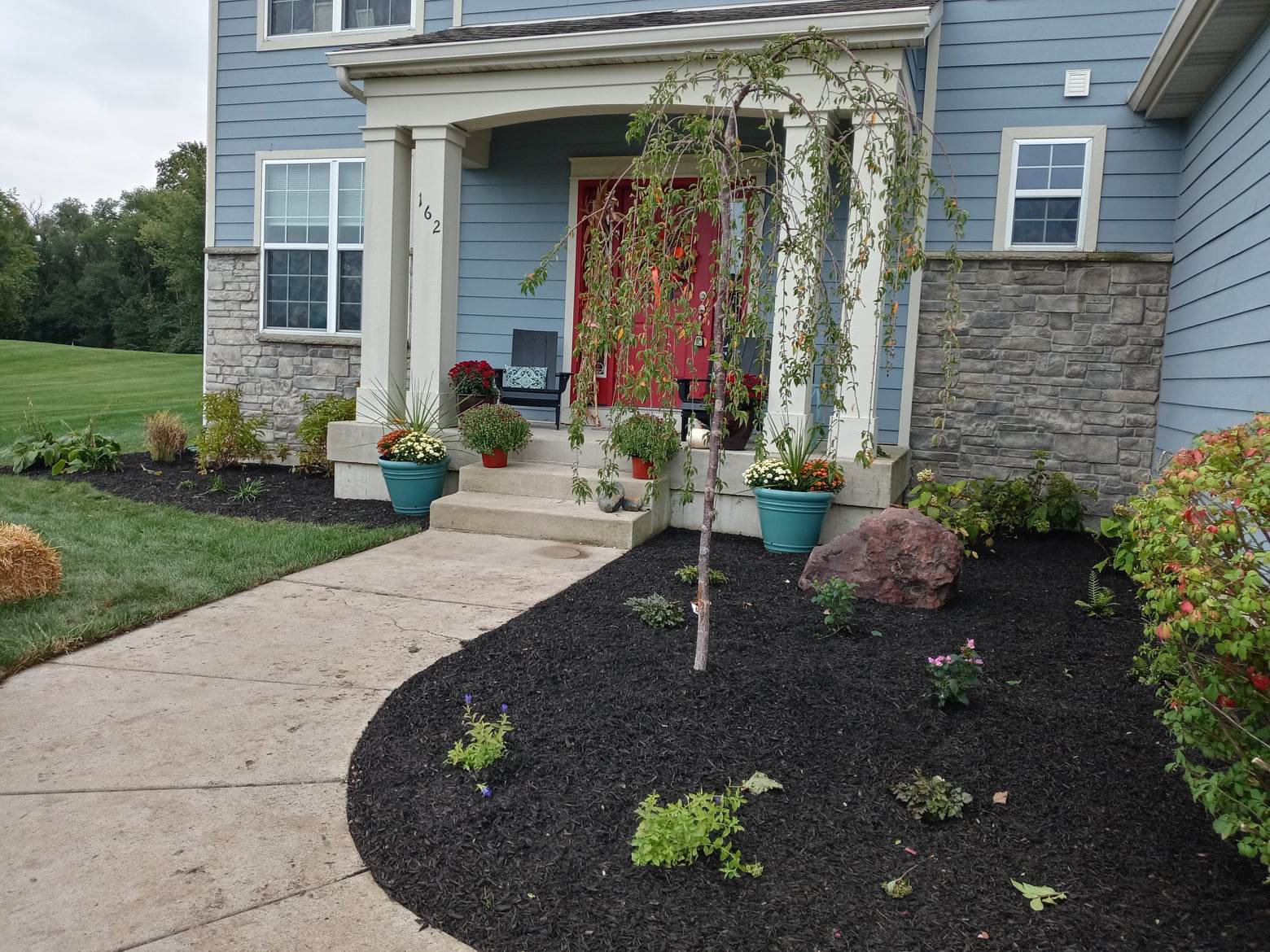
Mulching is a crucial step in garden maintenance that helps retain soil moisture, suppress weeds, and improve soil structure. Organic mulches, like bark or compost, add nutrients to the soil as they break down. Be sure to apply mulch evenly around plants, leaving space near the stems to prevent rot.
Finally, remember that your garden is a living, evolving space. Regular maintenance, such as pruning, fertilizing, and weeding, is necessary to keep your garden healthy and vibrant. Don't be afraid to adjust your layout as plants grow and mature, ensuring your garden remains a delightful retreat for years to come.
By following these expert tips from Prime Landscaping 219, you'll be well on your way to creating a stunning garden that enhances your outdoor living experience. Whether you're an avid gardener or a novice, designing your dream garden can be a fulfilling project that brings joy and relaxation to your life.
/filters:no_upscale()/filters:format(webp)/media/ec17ef02-cf09-4fe5-bd13-c0df3869b23a.jpeg)